Colour and construction

Sattler — Write the shade brief around the textile

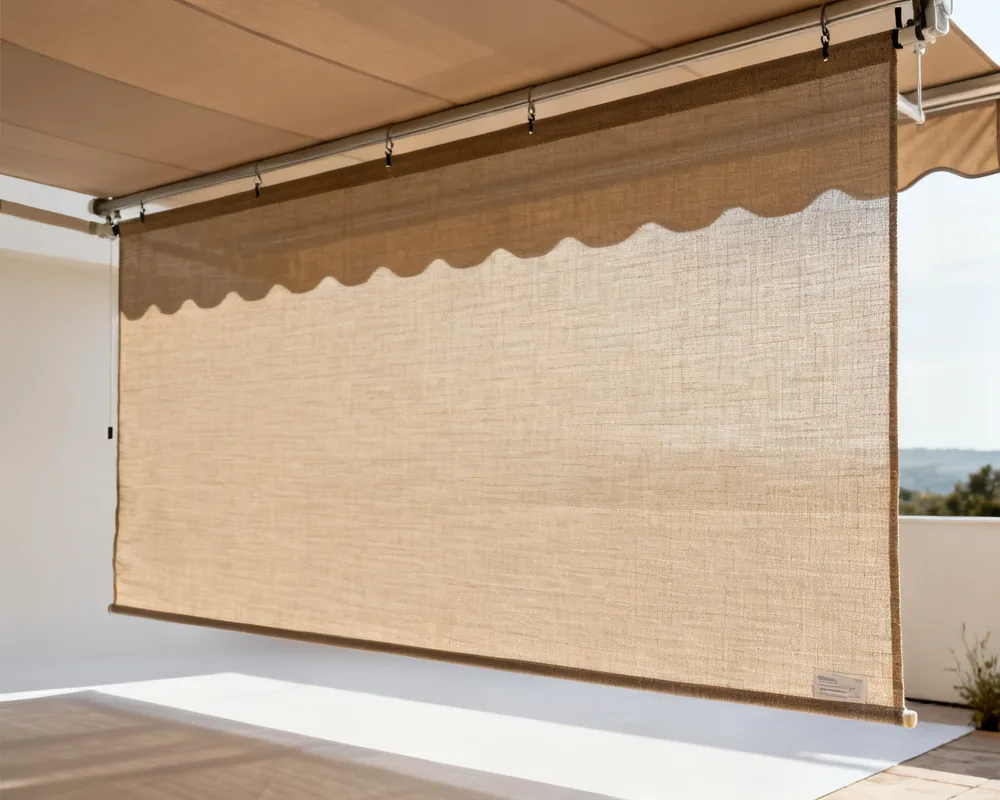
A screen swatch can start an awning conversation. The agreed cloth still needs a physical shade reference, a named weave construction, usable width, and a finish note that belongs to that material. Batch traceability stays with the cutting.

Discuss your fabric requirements
  • Fibre composition as percent by mass
  • Shade reference beside GSM
  • Finish, coating add-on, or lamination
  • Batch traceability before approval
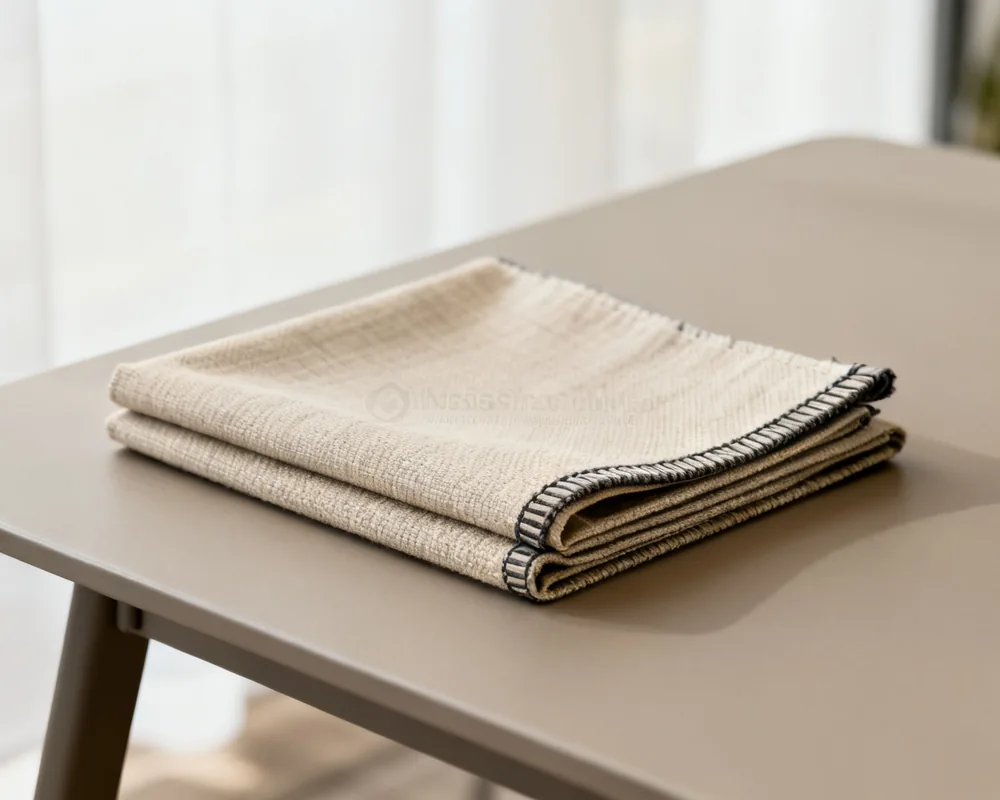
hanging unbranded awning cloth swatches in a shade colour library
Colour on screen is an initial reference.

Material scope

Material reference Application Order context

Evidence scope cross-check

  1. Match the document holder and the batch traceability note.
  2. Read the product scope, including coating add-on or lamination.
  3. Check the version and date. If the method cites ISO 139:2005, the temperate atmosphere is commonly 20 °C and 65% relative humidity.
  4. Confirm the awning cloth, its fibre composition, warp and weft when known, and its usable width.

Match the application

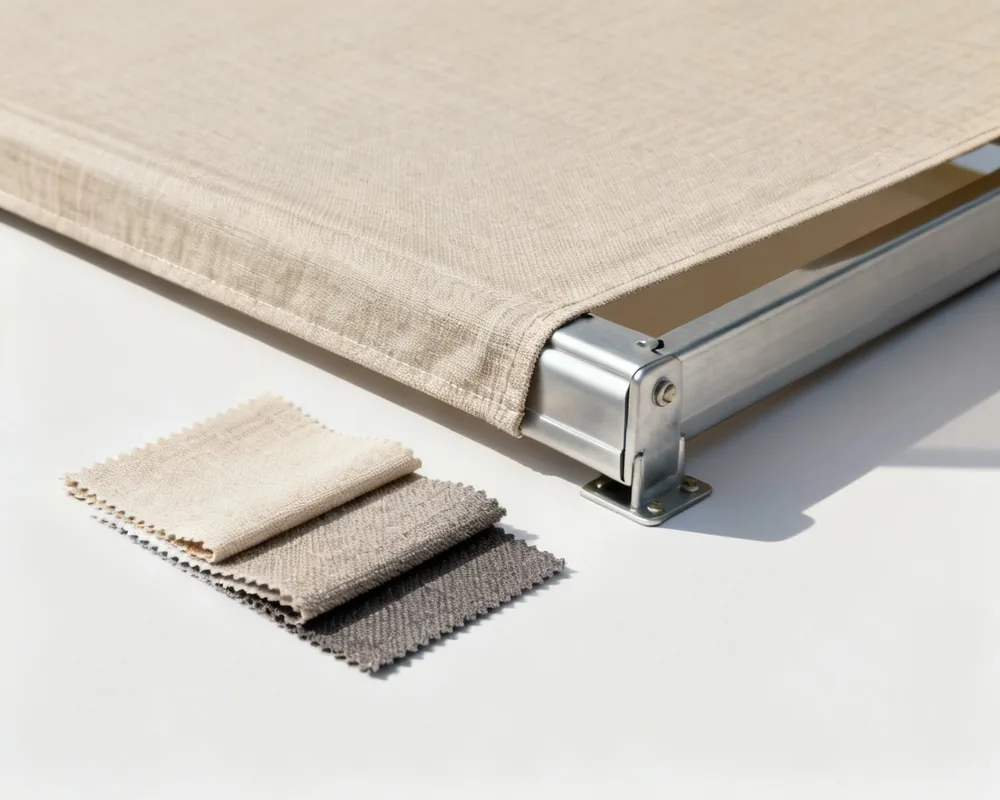
unbranded awning cloth swatches beside a shade frame
Environment
Describe sun, rain, and wind exposure for the awning location. Keep hydrostatic head in mm or kPa separate from water vapour transmission in g/m² over 24 h. Air permeability is a separate field if the brief asks for airflow.
Experience
Review colour, hand, and the face that people see from below. Pilling and abrasion resistance are not tensile strength. A colourfastness note on the blue wool scale uses grades 1 to 8. This site assigns no grade.
Processing
Confirm cutting, joining, and usable width in cm. Seam slippage and tear strength belong in the joining note when a report states them. Name warp and weft when the weave construction is known. Dimensional stability is its own measurement.

Fabric selection questions

Why is GSM not enough for an awning cloth?
Mass per unit area in g/m² does not describe weave construction, coating add-on, hand, or the finish that will face the weather. Two shade textiles can share a nominal GSM and still differ in drape, yarn count, and surface. 1 denier is about 1.11 dtex, and that unit relation is not a lot result.
How should a shade sample be described?
Record composition if you have it, construction, usable width, the shade reference, and whether the cutting is a development piece or a bulk approval reference.
Can a water result stand in for vapour movement?
No. Hydrostatic head, reported in mm or kPa when a report exists, and water vapour transmission, reported in g/m² over 24 h when a report exists, use different methods and specimen conditions. An outdoor awning use does not, by itself, prove either property. This site does not publish either figure for a Sattler lot.
How should natural and synthetic fibres be compared?
Natural fibres are the side of the brief that carries hand, moisture uptake, and the care a project can support. Synthetic fibres are the side that carries tensile strength, drying, and a functional finish. Neither side is an environmental ranking. A fibre trademark is not a certificate, and an unknown founding year stays unknown.
What changes between a coating and a lamination?
A coated substrate is reviewed for coating add-on, adhesion, and flexibility. A laminated construction is reviewed for the film, peel, and the specimen state. If the construction is unknown, both stay questions. Stock cloth and a custom development also stay separate: stock needs a dated batch, and custom development needs a sample, a trial, and a bulk approval point. Lead time is not filled in from a catalogue.

Define the development question

Explain what the current awning construction needs to change, and which sample will be used to judge that change.

What needs to improve, and how will it be reviewed?
Discuss your fabric requirements